Wireless smoke alarms delivered & installed for just $85 each | CALL OR TEXT 0406 220 259

Your wireless vs Hardwired Smoke Alarms: What Queensland Landlords Need to Knowog post
Hardwired or wireless - here's how Queensland landlords can choose the right compliant smoke alarm system.
6/18/20263 min read
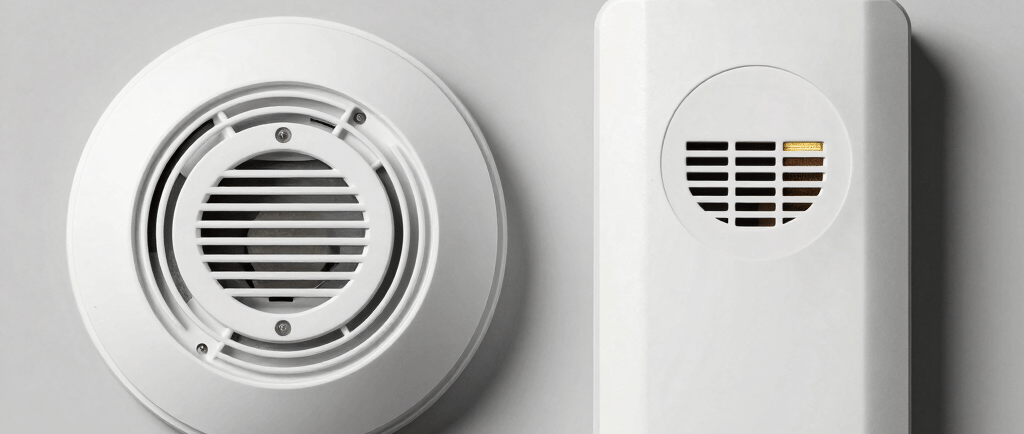
If you own a rental property in Queensland, you're already required to have interconnected photoelectric smoke alarms installed — this has been the law since 1 January 2022. But one question we get asked constantly by landlords and property managers is: should those alarms be hardwired into the home's electrical system, or wireless?
Both options can be fully compliant. The right choice depends on your property, your budget, and how much disruption you're willing to deal with during installation.
Why This Decision Matters for Landlords
Under the Fire Services Act 1990, every smoke alarm in a Queensland rental must be photoelectric, comply with Australian Standard AS 3786-2014, be less than 10 years old, and be interconnected so that when one alarm detects smoke, every alarm in the property sounds. One rule that trips landlords up: if you're replacing an existing hardwired alarm, the replacement must also be hardwired — you can't downgrade to battery or wireless on a like-for-like swap. Beyond that, both wireless and hardwired systems satisfy the legislation equally.
Hardwired Smoke Alarms
Hardwired alarms connect directly to your property's 240V electrical supply, with interconnection run as physical cabling between each unit.
Advantages:
Considered the most robust, "set and forget" option for long-term rentals
No batteries to fail or go flat between tenancies
Standard for new builds and major renovations, so it's a natural fit if you're already having electrical work done
A licensed electrician must issue a Certificate of Testing and Compliance, giving you solid documentation for insurance or RTA purposes
Drawbacks:
Must be installed by a licensed electrician — you can't DIY it
More expensive and disruptive to install in an existing home, especially older Queenslanders or properties with no existing ceiling access
Any rewiring or fault generally requires another licensed call-out
Wireless (RF Interconnected) Smoke Alarms
Wireless alarms use a sealed, non-removable 10-year battery and communicate with each other via radio frequency rather than physical cabling.
Advantages:
No cabling required, so installation is fast and far less invasive — ideal for established homes where opening up walls or ceilings isn't practical
Significantly cheaper to install than hardwiring an older property
Sealed 10-year batteries remove the "flat battery, false alarm" problem that plagues old 9V battery units
Easy to install across multiple units or rooms in a single visit
Drawbacks:
Battery life is fixed at 10 years; the whole unit is replaced rather than just a battery
RF interference (rare, but possible) can occasionally affect signal reliability between units if not installed correctly
Not a compliant option if you're replacing an existing hardwired alarm — it has to be swapped for another hardwired unit.
Which One Meets Compliance?
Both wireless and hardwired interconnected photoelectric alarms are fully compliant under Queensland law, provided they meet AS 3786-2014 and are properly interconnected. There is no legal preference for one over the other — compliance comes down to correct installation and certification, not the technology you choose.
The exception, worth repeating, is replacement: if the home currently has hardwired alarms, any replacement must also be hardwired.
Cost and Practical Considerations for Rental Properties
For landlords managing one or more rental properties, wireless systems are usually the more cost-effective and time-efficient option, particularly for established homes without existing alarm wiring. They let you get multiple properties compliant quickly without scheduling extensive electrical work or disrupting tenants for long.
Hardwired systems make more sense when you're already renovating, building new, or replacing an existing hardwired system where downgrading isn't an option anyway.
Quick Comparison
HardwiredWireless (RF)Installer requiredLicensed electricianLicensed installerPower source240V mains10-year sealed batteryBest forNew builds, renovations, existing hardwired homesEstablished homes, fast multi-property rolloutsTypical costHigherLowerDisruptionMore (cabling/ceiling access)Minimal
Get Compliant Without the Hassle
If you're managing rental properties across the Gold Coast and need to get compliant quickly, Safety 1st Smoke Alarm Installations currently offers wireless smoke alarms delivered and installed for just $85 each — a fast, fully compliant solution with no electrical rewiring required.
Call or text Russell on 0406 220 259, or email info@smokealarmsinstallation.com.au to book your property in.
Reliable, certified fire alarm installation across the Gold Coast. We make safety simple with professional installs, full testing, and insurance-ready certification - giving you peace of mind from day one.
Contact Us
Accreditation
Gold Coast & Surrounds
Call Russell: 0406 220 259
Email: info@smokealarmsinstallation.com.au
© 2025. All rights reserved.
✔️ Experienced Installer
✔️ Certificate of Conformity
About us